


How Rensair Measures and Verifies Energy Savings
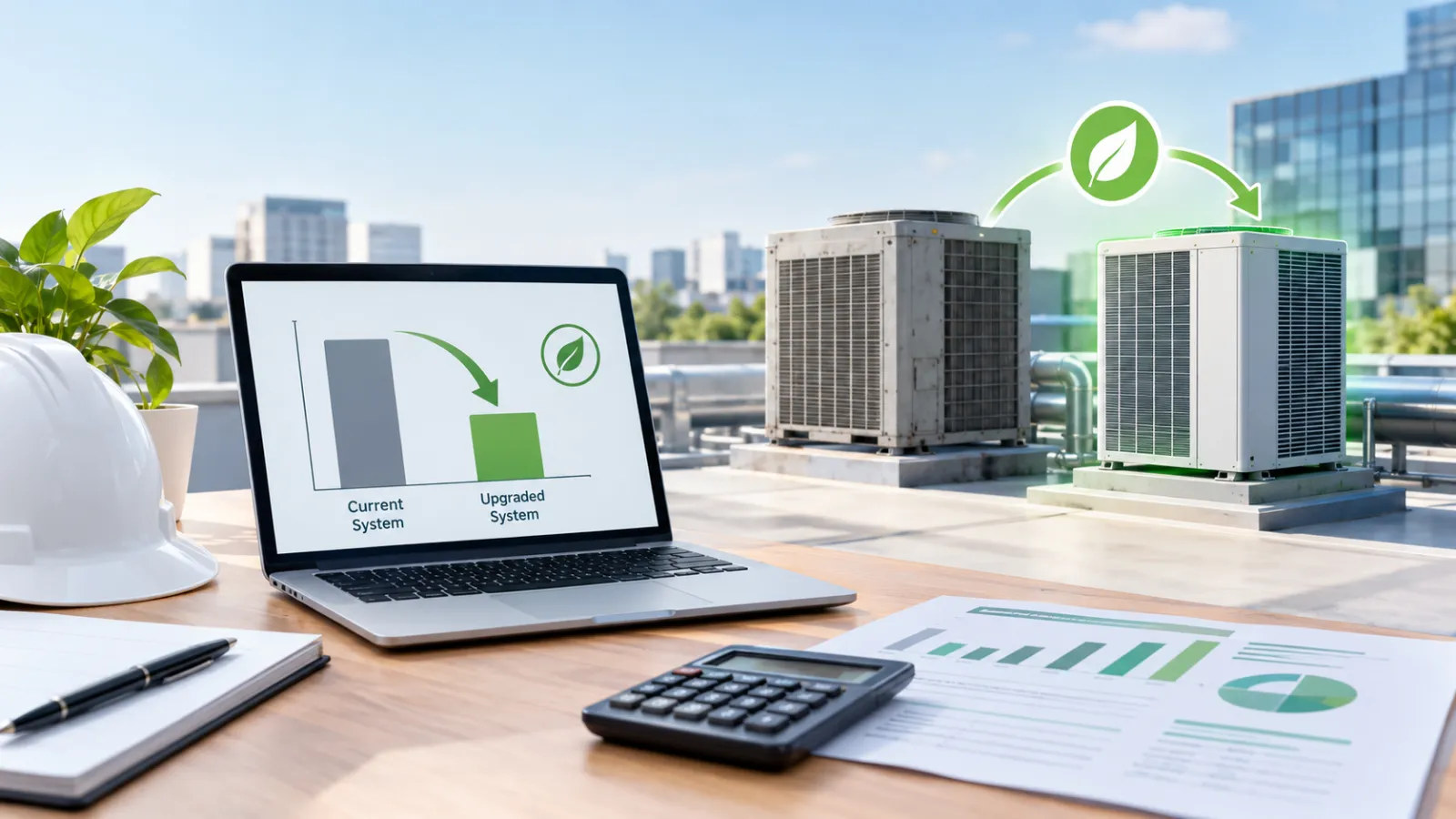
Rensair measures energy consumption and calculates energy savings by comparing actual energy use after improvements with an adjusted baseline. This baseline estimates how much energy the building would have used during the same period without the improvements.
The process follows the International Performance Measurement and Verification Protocol (IPMVP). It accounts for relevant changes in Weather and building operations, to help commercial building owners assess the energy impact of Rensair’s Smart Demand Controlled Ventilation (SDCV) projects.
What Is IPMVP?
The International Performance Measurement and Verification Protocol (IPMVP) is a framework developed and maintained by the Efficiency Valuation Organisation (EVO).
It provides guidelines for measuring and verifying energy savings after energy efficiency improvements.
IPMVP helps calculate how much energy a building saves by comparing its energy consumption before and after an improvement.
However, this comparison must account for factors such as weather, occupancy and operating hours. These conditions can change energy consumption even when no improvements have been made.
Rensair’s IPMVP Company Qualification
Rensair is listed by the Efficiency Valuation Organisation (EVO) as an IPMVP Qualified M&V Services Provider. This qualification recognises its measurement and verification capability and provides customers with an external reference when assessing its credentials.
Project savings are calculated and reported through the applicable measurement and verification process. Rensair’s company qualification is separate from independent third-party verification of an individual project’s results.
How Does Rensair Measure and Verify Energy Savings?
Rensair principally uses IPMVP Option C, known as the Whole Facility approach, to assess the energy impact of its SDCV projects. This approach uses utility meter data to evaluate changes in energy consumption across a defined building or facility.
The measurement boundary establishes which areas, meters and energy sources are included. Savings calculated from whole-building utility data are reported against that boundary. Any savings percentage specifically attributed to HVAC requires an appropriate supporting calculation or measurement approach.
The following steps explain how the baseline, reporting-period data and relevant adjustments are used to calculate savings.
Establish Energy Consumption Baseline
The first step is to understand how much energy a building uses before implementing improvements. This is called the energy consumption baseline.
Rensair uses historical utility billing data and site weather information to establish the baseline. This may include electricity and natural gas consumption.
The baseline provides a reference point for comparing energy use after HVAC improvements.
Implement Energy Optimisation Measures
Rensair’s Smart Demand Controlled Ventilation (SDCV) helps commercial buildings adjust ventilation according to actual demand.
Traditional ventilation systems may operate at fixed speeds or schedules, even when fewer people are present. This can result in unnecessary energy consumption.
SDCV adjusts ventilation based on demand, helping reduce unnecessary fan operation and the energy required to heat or cool incoming outdoor air.
The aim is to improve energy efficiency while maintaining suitable indoor air quality.
Monitor Energy Consumption
After implementing the improvements, Rensair monitors building energy consumption during the reporting period.
Utility billing data helps track electricity and natural gas usage. This information is compared with the established baseline to identify changes in energy consumption.
However, the results must also account for changes in weather and building operations before savings can be verified.
Adjust for Weather and Operating Conditions
Energy consumption changes with weather and building use. A cold winter can increase heating demand, while longer opening hours or operating hours can change the amount of energy a building needs.
Rensair uses baseline regression models to estimate how much energy the building would have used under the reporting-period weather conditions without the improvements.
Changes in occupancy, operating hours and other relevant building conditions are also assessed. Where these changes materially affect energy consumption, they need to be reflected in the analysis through suitable model inputs or separate adjustments, supported by available data.
This helps distinguish the impact of energy efficiency improvements from changes caused by weather or building operations.
Calculate and Verify Energy Savings
Once the data has been collected and adjusted, energy savings can be calculated using the following formula:
Energy Savings = Adjusted Baseline Energy Use − Actual Reporting-Period Energy Use
For example:
| Measurement | Energy consumption |
| Adjusted baseline for the reporting period | 100,000 kWh |
| Actual reporting- period consumption | 85,000 kWh |
| Calculated energy savings | 15,000 kWh |
| Savings against the adjusted baseline | 15% |
Disclaimer: Energy savings depend on building conditions, system performance and operating patterns. Actual results may vary.
In this illustrative whole building example, calculated energy savings are 15,000 kWh, equivalent to 15% of the adjusted baseline of electricity consumption for the same reporting period.
Conclusion
Measuring actual energy savings is important when assessing the results of HVAC improvements. Energy bills alone may not provide an accurate comparison because weather, occupancy and operating conditions can change over time.
Rensair uses IPMVP to measure and verify the energy impact of its Smart Demand Controlled Ventilation projects. By establishing energy baselines, monitoring consumption and adjusting for changing conditions, Rensair provides a structured approach to assessing building energy performance.
If you are reviewing your building’s ventilation strategy, explore Rensair’s HVAC solutions to understand how demand-based ventilation can help reduce unnecessary energy use while maintaining indoor air quality.
Frequently Asked Questions
No. Energy consumption is measured directly, but energy savings are calculated by comparing baseline energy consumption with actual consumption after improvements, with adjustments for changing conditions.
Baseline energy use is the reference consumption before improvements. Reporting-period energy use is the actual consumption after the improvements.
Weather affects heating and cooling demand. Weather data helps adjust energy consumption figures so that comparisons between different periods are fair.