


Smart Demand Controlled Ventilation (SDCV)
We spend most of our time indoors, especially at work, so the quality of the air we breathe is really important. Poor indoor air can affect health, focus, and comfort, while running ventilation systems all day can waste a lot of energy.
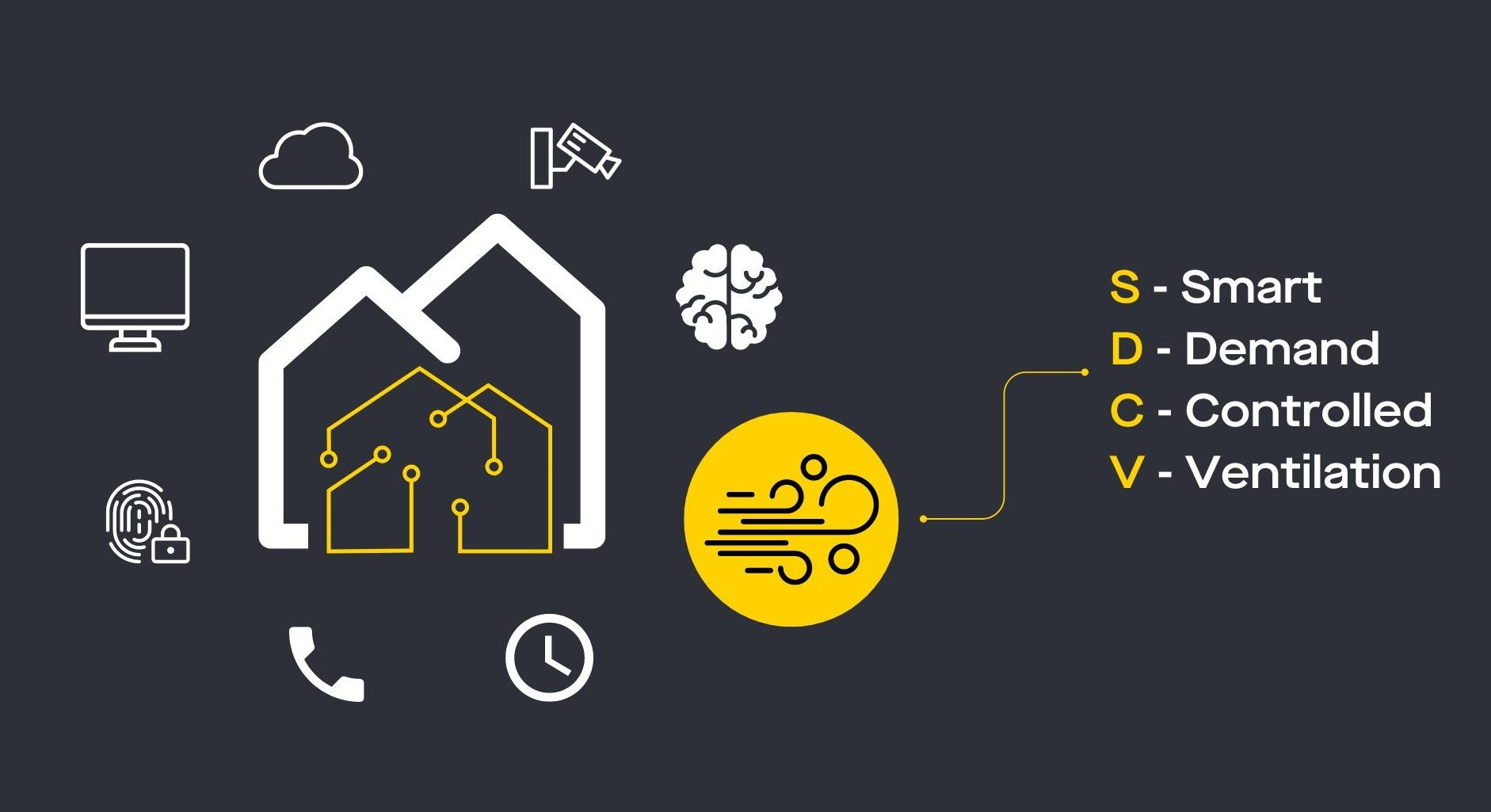
Smart Demand Controlled Ventilation (SDCV) offers a better solution. It uses sensors to monitor air quality and room occupancy in real time, then adjusts ventilation only when needed.
By combining demand controlled ventilation with intelligent ventilation energy controls, buildings can maintain clean, healthy air while using less energy and reducing carbon emissions.
Indoor Air Quality (IAQ)
Whilst there is good knowledge about outdoor air quality and pollution, the reality is that we spend 90% of our time indoors, and a lot of that at work. Indoor Air Quality (IAQ) can be 2 to 5 times worse than outdoor air quality, as ventilation from wind outside prevents pollutants from remaining concentrated in a small space.
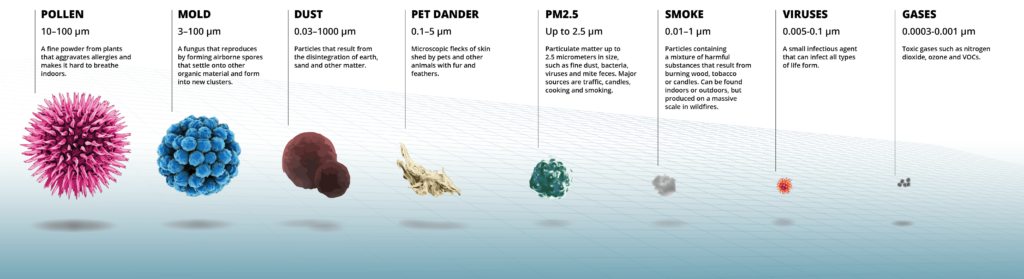
Indoor airborne pollutants include gases (including Volatile Organic Compounds and Nitrogen Dioxide) as well as Particulate Matter (PM), which includes pollen, mould, dust, pet dander, smoke and pathogens (viruses and bacteria). Particulate Matter is measured in terms of micrograms per cubic metre (µg/m³).
The World Health Organisation (WHO) has recently updated its guidelines, stating that annual average concentrations of PM2.5 should not exceed 5 µg/m³ and that 24-hour exposures should not exceed 15 µg/m³. For PM10, these figures are 15 µg/m³ annual mean and 25 µg/m³ 24-hour mean. These levels are far stricter than European, UK, and US standards, but upcoming regulatory changes are likely to adopt WHO standards.
The complexity of ventilation and building control systems is growing. It’s vital to have a solution that offers reliable control parameters to operate to their maximum potential. Smart demand ventilation uses high precision sensors and an IAQ management platform called Rensair Cloud to cater to all air purification needs efficiently.
Solutions to “Clean” Indoor Air
There are two main ways to remove indoor pollutants:
Mechanical Ventilation
Mechanical ventilation brings outside air into a room and extracts existing indoor air to the outside. This not only removes gases and particulate matter but also introduces oxygen, preventing CO₂ accumulation that can lead to fatigue and reduced cognitive performance.
However, mechanical ventilation is estimated to consume around ~40% of a building’s energy, contributing significantly to global energy use and carbon emissions. Buildings themselves consume about ~40% of global energy, meaning ventilation is a large contributor to carbon output. Additionally, in polluted outdoor environments, mechanical ventilation can inadvertently introduce external contaminants.
Air Purification
Air purification continuously filters indoor air. HEPA filters effectively remove airborne particulate matter, while active carbon filters can absorb harmful gases. These systems use a fraction of the energy that mechanical ventilation requires, making them cost-effective and proven, especially in healthcare environments over the past two decades.
The downside is that air purifiers do not introduce outside air, meaning CO₂ levels and oxygen balance are not addressed.
Health and building authorities recommend achieving a rate of 10 litres per second per person of ventilation and/or air purification to maintain good IAQ.
Why Demand Controlled Ventilation Is Replacing Traditional Ventilation
Traditional ventilation systems operate at a constant airflow regardless of room occupancy or indoor air conditions. In contrast, demand ventilation systems particularly demand controlled ventilation (DCV) – adjust airflow based on real-time IAQ measurements such as CO₂, particulate matter and occupancy.
Why is this important?
- DCV supplies fresh air only when needed, reducing unnecessary energy use.
- It prevents over-ventilation when spaces are unoccupied or lightly occupied, trimming operational costs.
- Research shows intelligent control strategies for ventilation can reduce energy consumption compared with traditional approaches while maintaining acceptable IAQ levels.
- Meta-analyses across multiple studies show smart demand ventilation systems can achieve average energy savings of 35-38% without IAQ degradation when designed and parameterised correctly.
Demand controlled ventilation also integrates intelligent ventilation energy controls with sensors and automation to ensure ventilation is matched precisely to actual demand, not fixed schedules or assumptions.
Smart Demand Controlled Ventilation (SDCV)
All companies and institutions have a mandate to provide good indoor air quality and reduce carbon footprints. But higher ventilation rates inherently increase energy consumption, which can counter net-zero targets. Office occupancy levels have also become more volatile post-pandemic, making fixed ventilation rates less efficient or economical.
Rensair has developed a solution for these energy and occupancy concerns called Smart Demand Controlled Ventilation (SDCV). By continuously monitoring IAQ (including CO₂ and PM) and connecting to a Building Management System (BMS), Rensair’s platform optimises the mix of mechanical demand ventilation and air purification.
This intelligent approach ensures:
- Ventilation matches actual occupancy and air quality demand
- Mechanical ventilation is reduced when air purification is sufficient
- Energy waste is minimised, and carbon emissions are lowered
In case studies, SDCV has demonstrated significant energy and carbon savings, in some instances showing ~45-47% energy reduction and substantial CO₂ footprint drops.
Want to Know More?
Stay updated with our intelligent automation built on modern sensor technologies to help create healthier and cleaner interior environments. Ensure an energy-efficient building with our specialised smart demand control ventilation, which is a cost-effective solution for landlords, tenants and commercial real estate users.If you would like to collaborate with us, email us at contact@rensair.com or click on the button below to book a free indoor air quality consultation.
Frequently Asked Questions
What Is SDCV?
Rensair’s globally patented indoor air quality ecosystem Smart Demand Controlled Ventilation (SDCV) is transforming building management by delivering >40% reduction in HVAC energy costs and carbon emissions, while ensuring compliance with building air quality standards and enhancing occupant health, well-being, and productivity.
What is the need For Smart Demand Controlled Ventilation (SDCV)?
We spend 90 percent of our time indoors and it is estimated that indoor air quality is (2 to 5) times worse than outer air quality. For a safe & protected indoor environment, SDCV is a smart ventilation solution that effectively cleans impure air & serves cleaner and healthier indoor spaces to meet new zero goals.
What Are the Benefits of implementing SDCV in Commercial Buildings?
Smart Demand Controlled Ventilation (SDCV) offers numerous benefits for commercial buildings that include:
Improved indoor air quality: Maintaining optimal ventilation reduces the accumulation of indoor contaminants.
Energy savings: SDCV delivers >40% reduction in ventilation energy costs and carbon emissions, whilst maintaining excellent Indoor Air Quality.
Compliance with building standards: It assists in meeting building standards or green building certifications that is instrumental in meeting an organisation’s Net Zero and sustainability goals.
Enhanced Comfort: SDCV enhances occupant health, well-being, and boosts productivity.
How Does Smart Demand Control Ventilation Improve Energy Efficiency?
SDCV optimises the ventilation mix in a building by part substituting mechanical ventilation with a more cost-effective air purification and uses 9 times less energy consumed per cubic metre of air through a traditional HVAC system. The total air volume remains unchanged, but energy consumption and carbon emissions are substantially lowered by at least 40%.
What Maintenance is Required for Smart Demand Controlled Ventilation Systems?
The maintenance task includes monthly cleaning of the pre-filters, change of the HEPA filter and UVC lamp when the system indicates their end of life and timely software updates of the Rensair Cloud IoT platform.