


Top 10 Most Polluted Cities in the World (2026 Rankings)
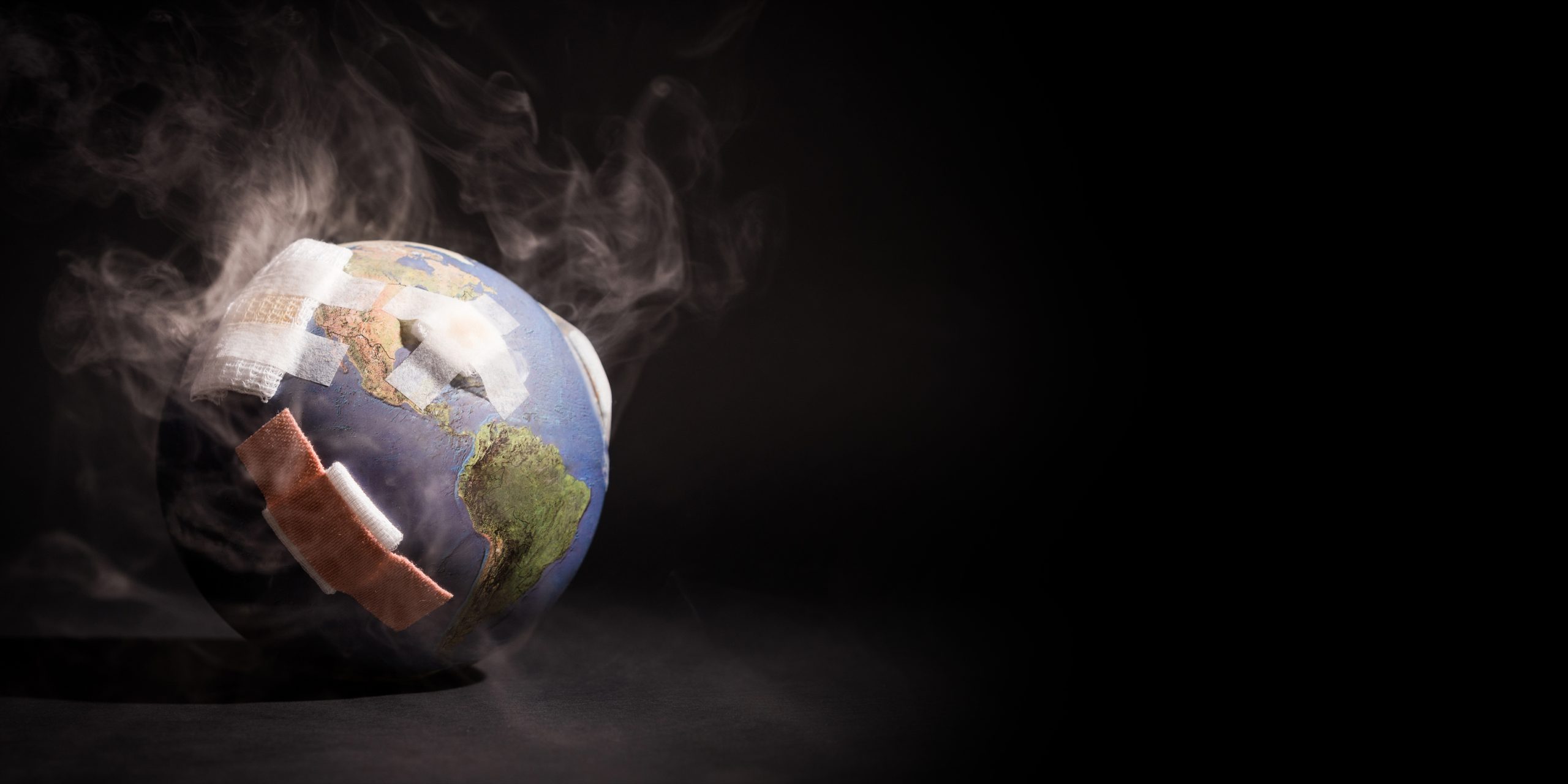
Air pollution is one of the most serious environmental challenges we face today. In many cities, the air quality is so poor that breathing it can be harmful. People wear masks not only for health reasons but also to protect themselves from smoke, dust, and toxic gases.
Residents often experience persistent coughing, breathing difficulties, eye irritation, and long-term health issues such as asthma and heart disease. The main contributors to pollution include traffic emissions, industrial waste, construction dust, coal burning, and inadequate waste management.
In this blog, we’ll take a look at the latest rankings of the most polluted cities in the world. These cities continue to struggle with severe air quality issues caused by rapid urbanisation, industrial activity, and increasing levels of fine particulate matter (PM2.5).
List Of The Most Polluted Cities In The World
According to the IQAir World Air Quality Report, the following cities rank among the top 10 most polluted cities in the world based on their average annual PM2.5 concentrations.
| City | District/Country | PM2.5 (µg/m³) |
| Loni | Uttar Pradesh, India | 112.5 |
| Hotan | Xinjiang, China | 109.6 |
| Byrnihat | Meghalaya–Assam Border, India | 101.1 |
| Delhi | Delhi National Capital Region, India | 99.6 |
| Faisalabad | Punjab, Pakistan | 98.8 |
| Rahim Yar Khan | Punjab, Pakistan | 92.6 |
| Ghaziabad | Uttar Pradesh, India | 89.2 |
| Lahore | Punjab, Pakistan | 88.9 |
| Sukkur | Sindh, Pakistan | 88.6 |
| Ula | West Bengal, India | 86.8 |
These rankings show that South Asia continues to experience some of the world’s highest levels of air pollution. Rapid urbanisation, industrial growth, increasing vehicle emissions, construction activity, and seasonal agricultural burning all contribute to poor air quality across these cities.
Note: Pollution levels can change throughout the year depending on weather conditions, seasonal changes, and local environmental factors.
Major Causes of Urban Air Pollution
- Emissions from aging vehicles and frequent traffic jams
- Industrial discharge from factories, brick kilns, and processing plants
- Construction dust and poorly maintained road infrastructure
- Burning of crop residue in surrounding agricultural regions
- Open burning of household waste and firewood
- Use of coal and other low-grade fuels for heating and industrial processes
- Limited green spaces and inadequate urban planning
- Weak enforcement of environmental and air quality regulations
Health Impacts of Air Pollution
- Increased incidence of asthma, bronchitis, and other respiratory illnesses
- Higher risk of cardiovascular diseases, including heart attacks and strokes
- Eye irritation, coughing, sore throat, and chronic headaches
- Greater health risks for children, older adults, and people with existing medical conditions
- Long-term exposure can reduce lung function and life expectancy
- Seasonal spikes in hospital admissions during periods of severe smog
Top Polluted Cities In The World
Here is detailed information about each city and the key factors contributing to its poor air quality.
1. Loni, India
Loni, located on the outskirts of Delhi in Uttar Pradesh, is currently ranked as the most polluted city in the world. Rapid urbanisation, dense traffic, nearby industrial activity, and continuous construction have significantly contributed to deteriorating air quality.
Due to its proximity to Delhi, pollution from the National Capital Region also affects the city, particularly during winter when smog becomes more severe.
Residents are exposed to extremely high levels of PM2.5 throughout the year, increasing the risk of respiratory illnesses, cardiovascular disease, and reduced lung function.
Children, older adults, and people with existing health conditions are particularly vulnerable to the harmful effects of polluted air.
2. Hotan, China
Hotan, located in the Xinjiang region of western China, suffers from a combination of natural and human-made air pollution. The city frequently experiences sandstorms from the nearby Taklamakan Desert, which carry fine dust particles that severely impact air quality.
Additionally, many households rely on coal-fired heating, especially during the colder months, further increasing PM2.5 levels.
Coal continues to be widely used for heating, contributing to poor winter air quality. Combined with desert dust, these conditions weaken immune systems and increase the risk of respiratory diseases, particularly among children and elderly residents.
3. Byrnihat, India
Byrnihat, located on the border of Meghalaya and Assam, has rapidly emerged as one of the world’s most polluted cities. The area is home to numerous cement plants, steel factories, and manufacturing industries that release large amounts of airborne pollutants. Heavy truck traffic and industrial emissions further worsen air quality throughout the year.
Continuous exposure to polluted air increases the likelihood of asthma, chronic respiratory diseases, and cardiovascular problems. Residents living near industrial zones are particularly affected due to prolonged exposure to fine particulate matter and industrial emissions.
4. Delhi, India
India’s capital continues to be one of the world’s most polluted cities. Every winter, Delhi is covered by a thick layer of hazardous smog caused by vehicle emissions, construction dust, industrial pollution, and crop stubble burning in neighbouring states.
Delhi’s pollution is worsened by millions of vehicles on its roads and seasonal agricultural burning in nearby regions. These factors contribute to frequent allergy flare-ups, respiratory illnesses, and increased pressure on healthcare services, particularly during the colder months.
5. Faisalabad, Pakistan
Faisalabad, often called the “Manchester of Pakistan” because of its extensive textile and manufacturing industries, remains one of the country’s most polluted cities. Industrial growth has brought economic benefits, but it has also resulted in dangerously high levels of air pollution.
Large-scale textile manufacturing, outdated industrial equipment, and emissions from factories continue to affect air quality. Many residential areas are located close to industrial zones, exposing residents to harmful pollutants every day. Long-term exposure contributes to asthma, bronchitis, eye irritation, and other chronic respiratory illnesses.
6. Rahim Yar Khan, Pakistan
Rahim Yar Khan, located in the southern part of Punjab, Pakistan, is among the world’s most polluted cities due to a combination of industrial emissions, agricultural burning, road dust, and increasing vehicle traffic.
The city’s growing population and expanding industrial activities have placed additional pressure on air quality. During the winter months, stagnant weather conditions trap pollutants close to the ground, leading to severe smog episodes.
Air pollution in Rahim Yar Khan poses serious health risks to residents. Long-term exposure to fine particulate matter (PM2.5) increases the likelihood of asthma, chronic respiratory diseases, cardiovascular problems, and eye irritation. Children, older adults, and people with existing health conditions are particularly vulnerable to the harmful effects of poor air quality.
7. Ghaziabad, India
Ghaziabad, a densely populated city in Uttar Pradesh, frequently appears in global air pollution rankings due to its consistently poor air quality.
Rapid urban expansion, heavy traffic, industrial emissions, and continuous construction activity contribute to high levels of PM2.5 throughout the year.
Open burning of waste, road dust, and emissions from nearby industries continue to worsen air pollution. Residents often experience respiratory illnesses, allergies, and other health problems caused by prolonged exposure to polluted air.
Air quality remains unhealthy for much of the year, particularly during winter.
8. Lahore, Pakistan
Lahore is widely recognised as one of the world’s most polluted cities and experiences severe smog during the winter season. Traffic congestion, industrial emissions, brick kilns, and crop residue burning all contribute to hazardous air quality.
Cold weather traps pollutants near the ground, making the air even more dangerous to breathe.
Seasonal smog significantly reduces visibility and disrupts daily life between November and February.
Residents are at greater risk of respiratory infections, asthma, cardiovascular disease, and other long-term health complications caused by prolonged exposure to polluted air.
9. Sukkur, Pakistan
Sukkur, located in Pakistan’s Sindh province, has emerged as one of the most polluted cities due to increasing urbanisation, traffic emissions, industrial activity, and seasonal agricultural burning. Dry weather conditions and dust from surrounding areas often make pollution levels even worse.
Continuous exposure to polluted air affects both respiratory and cardiovascular health. Many residents experience coughing, breathing difficulties, allergies, and eye irritation, while long-term exposure increases the risk of chronic lung disease and heart-related illnesses.
10. Ula, India
Ula, located in West Bengal, has recently entered the list of the world’s most polluted cities. Rapid urban development, vehicle emissions, road dust, and nearby industrial activities have contributed to rising PM2.5 concentrations.
Seasonal weather conditions can also trap pollutants, resulting in unhealthy air quality for extended periods.
Residents living in Ula face an increased risk of asthma, bronchitis, reduced lung function, and cardiovascular diseases due to prolonged exposure to polluted air.
Improving environmental regulations and reducing emissions will be essential to protecting public health in the years ahead.
Conclusion
Air pollution remains one of the biggest environmental and public health challenges worldwide. The cities listed above continue to record dangerously high levels of PM2.5 due to a combination of traffic congestion, industrial emissions, construction activity, waste burning, and weak environmental regulations.
Understanding which locations rank among the most polluted cities in the world helps governments, businesses, and individuals make informed decisions to improve air quality and reduce health risks.
While long-term solutions require stronger environmental policies and cleaner technologies, protecting indoor air is equally important, especially in highly polluted regions.
Rensair’s advanced air purifiers provide an effective solution for improving indoor air quality. Using medical-grade HEPA 14 filtration and UVC technology, Rensair removes 99.97% of airborne particles, including PM2.5, allergens, bacteria, viruses, and other harmful pollutants.
This helps create healthier indoor environments in offices, healthcare facilities, schools, and commercial buildings, even when outdoor air quality is poor.
Reducing air pollution requires collective action from governments, businesses, and communities. In the meantime, investing in reliable indoor air purification systems like Rensair offers an immediate and practical way to protect health, improve wellbeing, and create safer indoor spaces. Contact us today to learn how Rensair can help improve your indoor air quality.