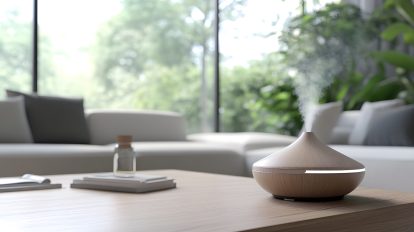
Air purifiers remove airborne pollutants, while humidifiers add moisture to dry air. The right choice depends on what you want to improve indoors. If you are comparing an air purifier vs humidifier, it is important to understand that these devices …
more Many people spend around 90% of their time indoors, whether at home, in the office, at school, or in other shared spaces. If you often notice stuffy rooms, lingering odours, frequent headaches, or allergy symptoms indoors, poor indoor air quality …
more Air pollution is one of the most serious environmental health risks, contributing to an estimated 28,000 to 36,000 deaths each year in the UK, according to a UK government study. It comes mainly from vehicle exhausts, industrial emissions, agriculture, and …
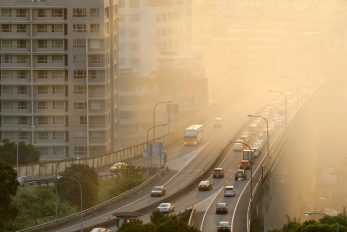
more Air pollution is one of the most serious environmental challenges we face today. In many cities, the air quality is so poor that breathing it can be harmful. People wear masks not only for health reasons but also to protect …
more Have you ever considered the air you’re breathing indoors? Most of us spend up to 90% of our time inside homes, offices, or schools, making indoor air quality more important than ever. Indoor air often contains pollutants like dust, mould, …
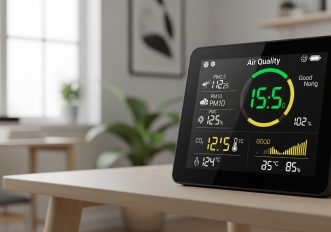
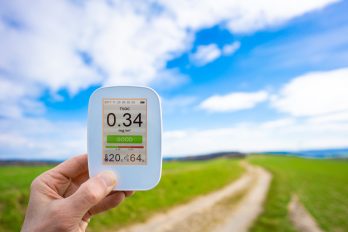
more What if the air in your home or office isn’t as clean as it seems? Invisible pollutants like dust, smoke, chemicals, and high CO2 levels could be affecting your health without you even noticing. Indoor air quality sensors are …
more Retrofitting existing commercial buildings is no longer optional as the UK strives to achieve ambitious net-zero targets by 2050; it has become a pressing necessity. Older buildings are often characterised by energy inefficiency, with outdated heating systems, poor ventilation, and …
more TVOC air quality values show the total amount of VOCs in the air, which can come from things like paint, cleaning sprays, markers, glue, and new furniture. When the TVOC level is high, the air may be unhealthy and can …
more Old buildings can be beautiful, historic, or very functional. But one problem many older buildings share is poor indoor air quality (IAQ). Dust, germs, and tiny particles float in the air, making people sick or tired. Replacing a whole building’ …
more The WHO Air Quality Guidelines serve as global standards to assess and manage air pollution. They cover major harmful pollutants such as fine particulate matter (PM2.5 and PM10), nitrogen dioxide (NO₂), ozone (O₃), sulphur dioxide (SO₂), and carbon monoxide (CO). …
more Air quality plays a huge role in the comfort, health, and productivity of people in commercial buildings. Offices, malls, schools, hospitals, and business centers all need clean air for employees, customers, and visitors. For property managers and owners, good air …
more HVAC systems account for up to 40% of an office’s total energy consumption. With energy costs rising and ESG regulations tightening, optimising HVAC is one of the quickest ways to reduce operating expenses while improving employee well-being. The best approach …
more Poor air quality is a major health problem that affects many people, especially in the cities. Polluted air can make it hard to breathe, causing diseases like asthma and heart attacks, and affect children’s growth and learning. The vulnerable …
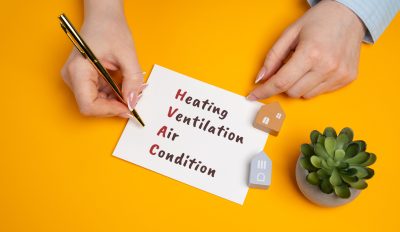
more Introduction Running a business is expensive, and hidden energy waste only adds to the cost. In most commercial buildings, the HVAC (Heating, Ventilation, and Air Conditioning) system is the single largest consumer of energy. When it operates inefficiently, it doesn’ …
more Introduction Heating, ventilation, and air conditioning (HVAC) systems are the backbone of indoor comfort in any building, working year-round to regulate temperature and air quality. Yet, inefficiencies in these systems often go unnoticed, quietly driving up energy bills, straining equipment, …
more