Air Purifier vs Humidifier: Which Do You Need?
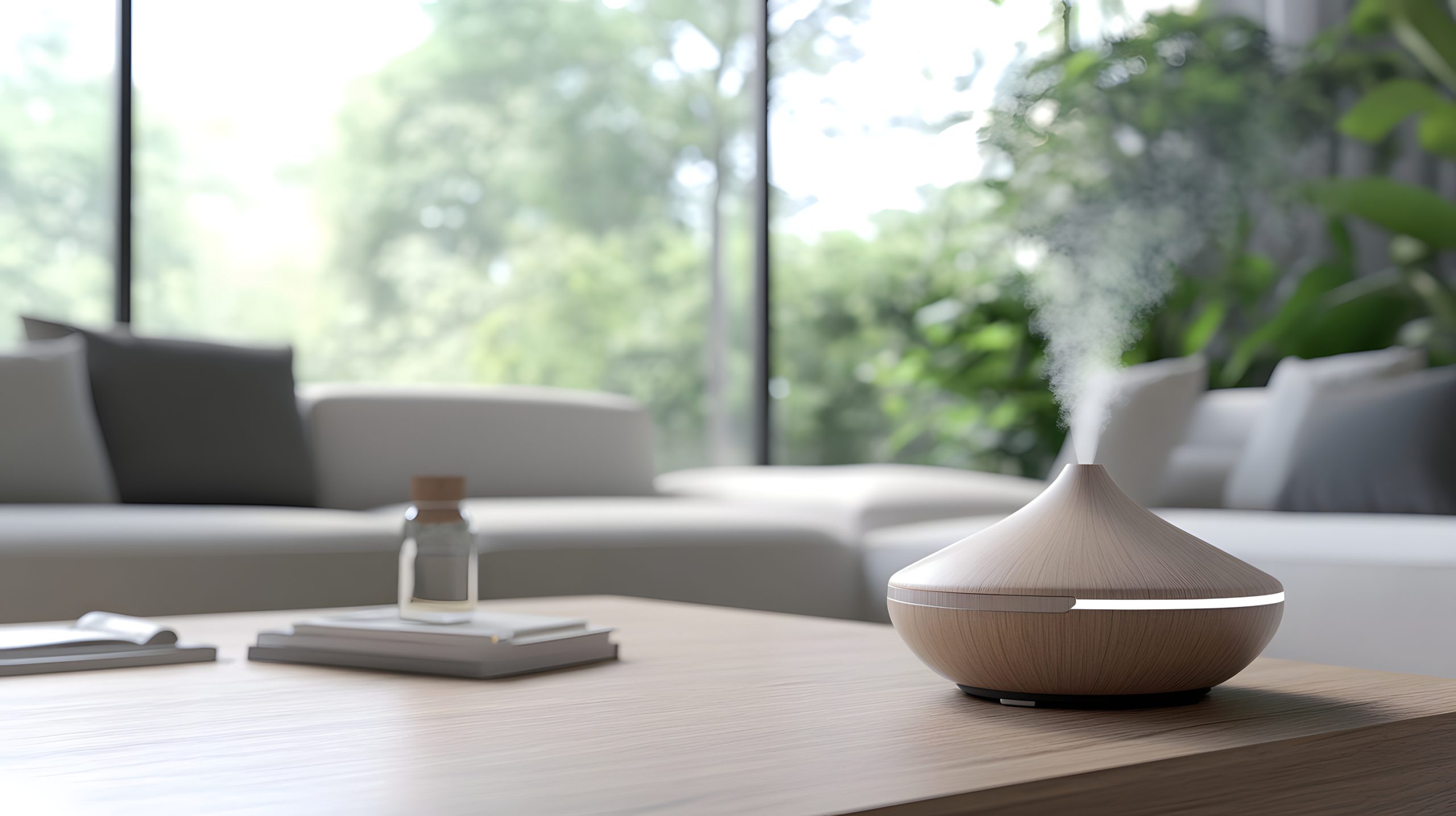
Air purifiers remove airborne pollutants, while humidifiers add moisture to dry air. The right choice depends on what you want to improve indoors.
If you are comparing an air purifier vs humidifier, it is important to understand that these devices do different jobs. An air purifier is designed to remove or reduce airborne particles and pollutants, while a humidifier increases the amount of moisture in the air.
So, which one do you need? It depends on your indoor environment and your main concern.
Difference Between Air Purifier And Humidifier
The main difference between an air purifier and a humidifier is what they do to indoor air.
An air purifier cleans the air by removing or reducing airborne particles and pollutants, depending on the technology and filter used. A humidifier adds moisture to the air when indoor humidity is low.
| Feature | Air Purifier | Humidifier |
| Main purpose | Removes or reduces airborne pollutants | Adds moisture to dry air |
| Helps with | Dust, pollen, smoke and airborne particles | Dry air and low humidity |
| Uses water | No | Yes |
| Controls | Air cleanliness | Humidity levels |
| Uses filters | Usually | Depends on the type |
| Main maintenance | Filter cleaning or replacement | Regular cleaning and water changes |
| Best suited for | Poor indoor air quality | Dry indoor environments |
| Can you use both? | Yes | Yes |
An air purifier is for cleaner air, while a humidifier is for adding moisture to the air.
What Is an Air Purifier?
An air purifier is a device that helps remove or reduce pollutants from indoor air.
Depending on its filtration and purification technology, an air purifier can target particles such as:
- Dust
- Pollen
- Pet dander
- Smoke particles
- Fine particulate matter
- Other airborne particles
Many air purifiers use filters to capture particles as air passes through the device. HEPA filtration, for example, is designed to capture very small airborne particles.
Air purifiers can be useful in homes, offices, schools, healthcare settings and other enclosed spaces where indoor air quality is a concern.
What Is a Humidifier?
A humidifier is a device that adds moisture to indoor air.
Indoor air can become dry because of heating, air conditioning, climate and other environmental conditions. A humidifier increases humidity by releasing water vapour or a fine mist into the room, depending on the type of humidifier.
Humidifiers are commonly used when people experience discomfort associated with dry air, such as:
- Dry skin
- Dry throat
- Dry nasal passages
- General discomfort caused by low humidity
Air Purifier vs Humidifier: Which One Do You Need?
The best choice depends on the problem you are trying to solve.
Choose an Air Purifier If You Want to:
- Reduce airborne particles
- Reduce dust in indoor air
- Remove or reduce pollen and other airborne allergens
- Reduce smoke particles
- Improve indoor air cleanliness
- Address concerns about airborne pollutants
An air purifier is generally the more relevant option when your main concern is what is floating in the air.
Choose a Humidifier If You Want to:
- Increase indoor humidity
- Add moisture to dry air
- Make a dry indoor environment more comfortable
- Address discomfort associated with very dry air
A humidifier is more relevant when your main concern is how dry the air feels.
Can You Use Both?
Yes. An air purifier and humidifier can be used in the same indoor environment because they perform different functions.
The humidifier adds moisture, while the air purifier works to reduce airborne particles.
However, using both does not mean that one replaces the other. You should first identify whether your main concern is air pollution, low humidity or both.
If you use a humidifier, clean it regularly and follow the manufacturer’s instructions. It is also useful to monitor indoor humidity rather than adding moisture unnecessarily.
How Does an Air Purifier Work?
An air purifier draws indoor air through one or more stages of filtration or purification.
A typical filtration system may include:
- Pre-filter: Captures larger particles such as dust and hair.
- Particle filter: Captures smaller airborne particles.
- Additional filtration: Some systems use activated carbon or other technologies to target gases, odours or volatile organic compounds (VOCs).
Once treated, the cleaner air is released back into the room.
The performance of an air purifier depends on factors such as filter efficiency, airflow, room size, placement and how consistently the unit is operated.
For a better understanding, read our guide on do air purifiers really work
How Does a Humidifier Work?
Humidifiers add moisture to indoor air using different methods.
Common types include:
- Evaporative humidifiers: Use a fan to draw air through a wet filter or wick.
- Ultrasonic humidifiers: Use high-frequency vibrations to create a fine mist.
- Steam vapourisers: Heat water and release moisture as steam.
Each type has different maintenance requirements and operating characteristics.
Regardless of the type, regular cleaning is important. The manufacturer’s instructions should always be followed for cleaning, water replacement and maintenance.
Can an Air Purifier and Humidifier Be in the Same Room?
Yes, an air purifier and humidifier can be used in the same room.
Because they perform different functions, using both may make sense when you have concerns about both airborne particles and low humidity.
However, placement matters. Avoid positioning a humidifier so that moisture is released directly into an air purifier or onto its filter. Excess moisture can affect equipment and surrounding surfaces.
Keep both devices maintained and monitor the indoor environment to make sure each is being used for the right purpose.
How to Choose an Air Purifier
If you decide that an air purifier is right for your needs, consider more than just the filter.
Consider these five factors when choosing an air purifier:
- Know the pollutants: Choose a purifier based on whether you want to remove dust, smoke, odours, VOCs or other pollutants.
- Check the room size: Choose a purifier with enough airflow for the size of your room.
- Check the filter: Look for a filter designed to capture the pollutants you want to remove.
- Consider airflow: Make sure the purifier provides enough clean air for the space.
- Check maintenance: Choose a model with easy filter cleaning or replacement.
How to Choose a Humidifier
If low humidity is your main concern, consider these factors:
- Check Indoor Humidity: Measure the humidity level before buying a humidifier.
- Choose the Right Capacity: Choose a humidifier that suits your room size.
- Consider Maintenance: Select a model that is easy to clean and maintain.
- Follow Cleaning Instructions: Change the water regularly and clean the humidifier as recommended.
- Avoid Excess Humidity: Monitor humidity levels to prevent adding too much moisture.
Air Purification for Commercial Buildings
For larger spaces such as offices, healthcare facilities, schools and other commercial buildings, a small domestic air purifier may not be sufficient.
Commercial air purification systems can be designed to work alongside existing HVAC and ventilation systems or provide additional air cleaning where required.
Rensair provides air purification solutions designed for different commercial environments, helping organisations address airborne particle concerns while working alongside existing ventilation and HVAC strategies.
For businesses looking to improve indoor air quality, choosing the right purification technology should be based on the building, occupancy, airflow and specific indoor air quality requirements.
FAQs
An air purifier is designed to remove or reduce airborne pollutants, while a humidifier adds moisture to indoor air. They address different indoor air concerns.
Choose an air purifier if you are concerned about airborne particles such as dust, pollen or smoke. Choose a humidifier if your main concern is low humidity and dry indoor air.
Yes. They can be used in the same room because they perform different functions. Keep the devices properly positioned and maintain both according to the manufacturer’s instructions.
No. A humidifier adds moisture but does not filter airborne pollutants such as dust, pollen or smoke.
A humidifier does not remove airborne allergens. If airborne particles such as pollen are the concern, an appropriately selected air purifier may be more relevant.
Not necessarily. It depends on your indoor environment. If you have both airborne particle concerns and low humidity, using both devices may be appropriate.