


Indoor Air Quality Assessment – Checklist & How to Improve IAQ (2026)
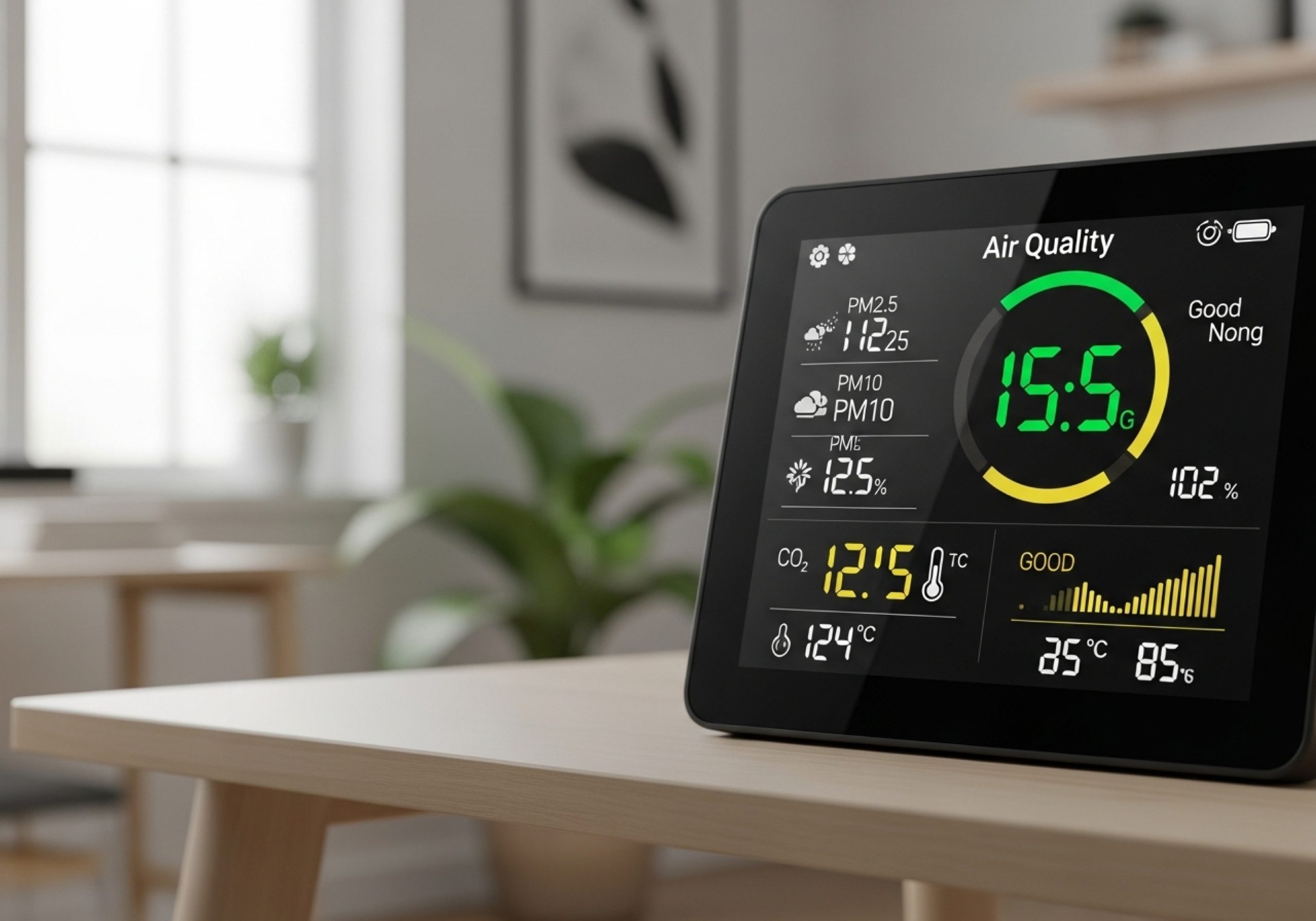
Many of us spend over 90% of our time indoors, at work, at home, or in school, yet indoor air is often more polluted than the air outside. Invisible contaminants like dust, VOCs, mould spores, and carbon monoxide can affect health, productivity, and comfort.
We all deserve clean, healthy air where we live and work. However, indoor air often contains higher levels of pollutants than outdoor air. Dust, odors, moisture, and harmful airborne particles can quietly accumulate in offices, schools, and commercial buildings, posing risks to our health.
Regular assessments of indoor air quality (IAQ), combined with smart interventions like increased ventilation and air purification, are important for maintaining a safe, healthy indoor environment.
What is an Indoor Air Quality (IAQ) Assessment
An indoor air quality assessment is a professional evaluation of the air inside a building for contaminants such as dust, mould, odours, or hazardous gases.
An IAQ expert uses special tools to measure air quality, assess ventilation and provide recommendations. The result is a clear understanding of any existing air quality issues and a plan for improvement.
Why an Indoor Air Quality Assessment is Important
The air inside your home, office, or school can have a big impact on your health and comfort and has often been overlooked. Conducting an indoor air quality assessment is important for many reasons:
- Health Protection: Identifies airborne irritants that can cause allergies, asthma, fatigue, and other respiratory conditions.
- Energy Efficiency: Identifies airborne irritants that can cause allergies, asthma, fatigue, and other respiratory conditions.
- Occupant Well-being: Clean, fresh air improves focus, comfort, and overall well-being.
Common Pollutants Detected in an IAQ Assessment
During an indoor air quality (IAQ) assessment, professionals test the air for different pollutants. Here are some of the most common pollutants measured:
● Volatile Organic Compounds (VOCs): These are gases released from everyday products like paints, cleaning sprays, air fresheners, and furniture. Some VOCs can cause headaches, dizziness, or respiratory problems.
● Mould Spores: Mould grows in damp areas and releases spores that can cause allergic reactions or breathing difficulties.
● Carbon Monoxide (CO): This is a dangerous, odourless gas that comes from faulty heaters, stoves, or fireplaces. High levels can be harmful or even fatal.
● Carbon Dioxide (CO₂): While not toxic in normal amounts, high levels of CO₂ can make you feel tired, dizzy, or have trouble concentrating. It also indicates poor ventilation.
● Formaldehyde: A chemical found in some building materials and furniture that can irritate your eyes, nose, and throat.
● Radon: A naturally occurring gas from the ground that can enter buildings and increase the risk of lung problems over time.
Indoor Air Quality Assessment Checklist
An indoor air quality assessment checklist helps you or professionals check important factors that affect the air you breathe inside your home, office, or school. Using a checklist ensures nothing important is missed and helps keep your indoor environment safe and healthy.
Here are the main points on a typical indoor air quality checklist:
Ventilation
- Are windows and vents operable?
- Is fresh air circulating effectively?
- Is there any sign of stale air or poor airflow?
Heating And Air Conditioning (HVAC) Systems
- Are air filters clean and changed regularly?
- Is the HVAC system properly maintained?
- Are ducts and vents free from dust and mould?
Signs of Moisture or Damp
- Are there any leaks on walls, ceilings, or floors?
- Is there visible mould or a musty smell?
- Is humidity kept at a comfortable level (usually between 30% and 60%)?
Indoor Pollutants and Odours
- Are there strong chemical smells or odours?
- Are there lingering smells of cooking and smoke?
- Is there dust buildup on surfaces or vents?
Occupant Health Feedback
- Have people noticed symptoms like headaches, sneezing, coughing, or tiredness indoors?
- Are there any complaints about air quality or discomfort?
Building Materials & Practices
- Are the building materials and furniture in good condition?
- Is smoking allowed indoors?
How to Improve Indoor Air Quality
Improving indoor air doesn’t have to be hard. Small changes can make a big difference in making the air fresher, cleaner, and healthier to breathe. Here are some easy ways to improve indoor air quality:
- Increase Ventilation
Open windows and doors when possible and use mechanical ventilation systems to maintain air exchange. - Minimise Sources of Pollution
Avoid smoking indoors and limit the use of strong chemicals like air fresheners, paints, and cleaning sprays. Choose natural or low-VOC products whenever possible. - Control Humidity Levels
Use dehumidifiers or fix leaks to keep humidity between 30% and 60%. This helps prevent mould growth and reduces dust mites. - Clean Regularly
Dust and vacuum often, especially carpets, curtains, and soft furnishings that trap allergens. Use a vacuum cleaner with a HEPA filter for better results. - Use High-Efficiency Air Purifiers
Air purifiers equipped with HEPA filters remove pollutants like dust, pollen, and bacteria. Rensair air purifiers use advanced technology to eliminate a wide range of airborne contaminants, ideal for homes, offices, and public spaces.
Conclusion
An indoor air quality assessment is a smart, proactive step for anyone concerned about health and comfort. Whether you’re a homeowner, business owner, or facilities manager, regular IAQ checks can help identify issues early, ensuring a cleaner, safer indoor environment.
Investing in a reliable air purification system, like those from Rensair, increases protection against harmful particles and supports long-term well-being. Cleaner air reduces illness, improves productivity, and creates a more pleasant environment for everyone.
Get in touch today to schedule a free personalised air quality assessment and explore how Rensair technology can improve the air you breathe every day. An indoor air quality assessment is a smart, proactive step for anyone concerned about health, comfort, and building safety. By identifying and addressing invisible pollutants, you protect yourself, your family, or your team.
Frequently Asked Questions
Why is indoor air quality important for health?
Indoor air affects respiratory health, comfort, and focus. Poor IAQ can lead to fatigue, allergies, headaches, or worsen chronic conditions like asthma.
What pollutants are typically checked during an IAQ assessment?
Common pollutants include VOCs, mould spores, carbon monoxide, carbon dioxide, formaldehyde, radon, and dust.
What is included in an indoor air quality checklist?
The checklist covers ventilation, HVAC system health, moisture levels, odours, occupant symptoms, and material condition.
How can you improve indoor air quality?
Improve IAQ by increasing ventilation, using air purifiers, maintaining HVAC systems, controlling humidity, and cleaning regularly. Choose low-emission products to reduce chemical exposure.