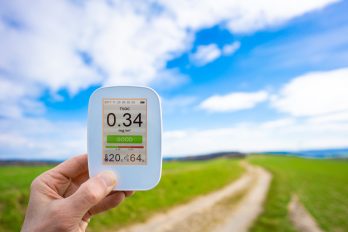
TVOC air quality values show the total amount of VOCs in the air, which can come from things like paint, cleaning sprays, markers, glue, and new furniture. When the TVOC level is high, the air may be unhealthy and can …
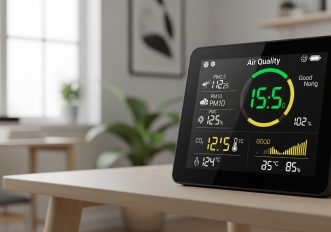
more Many people spend around 90% of their time indoors, whether at home, in the office, at school, or in other shared spaces. If you often notice stuffy rooms, lingering odours, frequent headaches, or allergy symptoms indoors, poor indoor air quality …
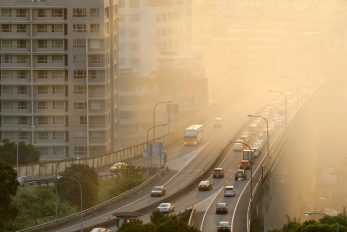
more Air pollution is one of the most serious environmental health risks, contributing to an estimated 28,000 to 36,000 deaths each year in the UK, according to a UK government study. It comes mainly from vehicle exhausts, industrial emissions, agriculture, and …
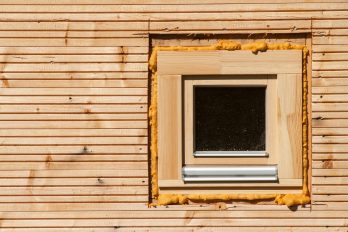
more Old buildings can be beautiful, historic, or very functional. But one problem many older buildings share is poor indoor air quality (IAQ). Dust, germs, and tiny particles float in the air, making people sick or tired. Replacing a whole building’ …
more The WHO Air Quality Guidelines serve as global standards to assess and manage air pollution. They cover major harmful pollutants such as fine particulate matter (PM2.5 and PM10), nitrogen dioxide (NO₂), ozone (O₃), sulphur dioxide (SO₂), and carbon monoxide (CO). …
more