Indoor Air Quality Assessment Checklist & Tips
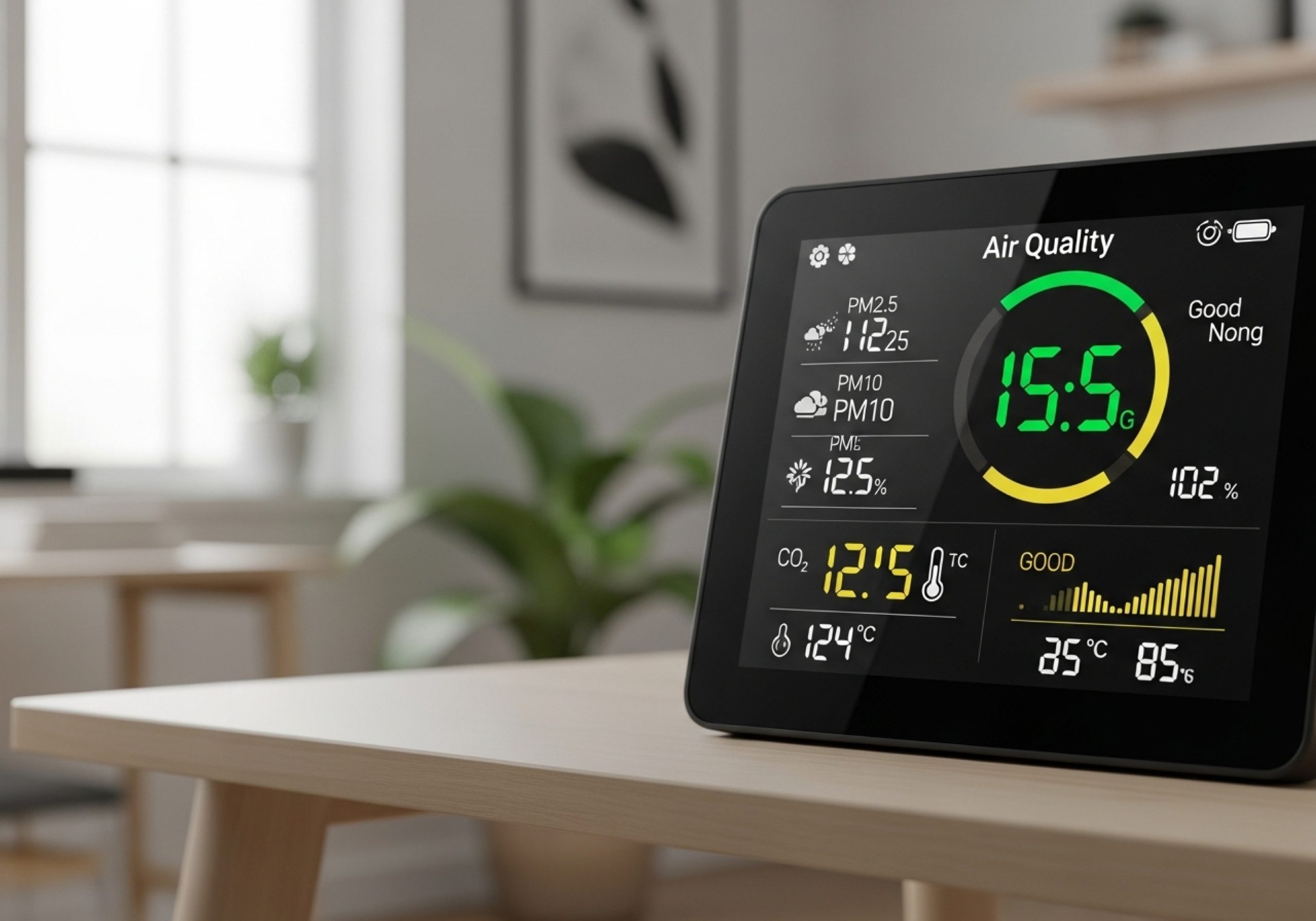
Many people spend around 90% of their time indoors, whether at home, in the office, at school, or in other shared spaces. If you often notice stuffy rooms, lingering odours, frequent headaches, or allergy symptoms indoors, poor indoor air quality could be the cause.
An indoor air quality (IAQ) assessment helps identify hidden pollutants such as dust, mould spores, volatile organic compounds (VOCs), carbon monoxide, and excess carbon dioxide. It also evaluates ventilation and other factors that affect the air you breathe every day.
This blog explains what an indoor air quality assessment is, why it matters, what professionals check during an inspection, and practical ways to improve IAQ for a healthier, safer, and more comfortable indoor environment.
What is an Indoor Air Quality (IAQ) Assessment
An Indoor Air Quality (IAQ) assessment is a professional evaluation of the air quality inside a building to identify pollutants, assess ventilation, and recommend improvements.
It is the process of checking indoor air for pollutants such as dust, VOCs, mould, carbon dioxide, and poor ventilation. It helps identify air quality problems and provides recommendations to improve health, comfort, and energy efficiency.
Indoor Air Quality Assessment Checklist
An indoor air quality assessment checklist helps you or professionals check important factors that affect the air you breathe inside your home, office, or school. Using a checklist ensures nothing important is missed and helps keep your indoor environment safe and healthy.
Here are the main points on a typical indoor air quality checklist:
Ventilation
- Are windows and vents operable?
- Is fresh air circulating effectively?
- Is there any sign of stale air or poor airflow?
Heating And Air Conditioning (HVAC) Systems
- Are air filters clean and changed regularly?
- Is the HVAC system properly maintained?
- Are ducts and vents free from dust and mould?
Signs of Moisture or Damp
- Are there any leaks on walls, ceilings, or floors?
- Is there visible mould or a musty smell?
- Is humidity kept at a comfortable level (usually between 30% and 60%)?
Indoor Pollutants and Odours
- Are there strong chemical smells or odours?
- Are there lingering smells of cooking and smoke?
- Is there dust buildup on surfaces or vents?
Occupant Health Feedback
- Have people noticed symptoms like headaches, sneezing, coughing, or tiredness indoors?
- Are there any complaints about air quality or discomfort?
Building Materials & Practices
- Are the building materials and furniture in good condition?
- Is smoking allowed indoors?
Why an Indoor Air Quality Assessment is Important
The air inside your home, office, or school has a direct impact on health, comfort, and daily performance. However, indoor air problems often go unnoticed until they start affecting occupants.
Whether you use a simple checklist for air quality or arrange a professional internal air quality assessment, evaluating your indoor environment helps create a healthier and safer space.
Many organisations also follow an indoor air quality investigation checklist to systematically inspect ventilation, moisture, pollutants, and occupant concerns.
Here are some of the key benefits of an indoor air quality assessment:
- Health Protection: Identifies airborne irritants, allergens, and pollutants that can contribute to allergies, asthma, fatigue, and other respiratory problems.
- Better Energy Efficiency: Detects ventilation or HVAC issues that may increase energy consumption, helping improve system performance and reduce operating costs.
- Improved Occupant Well-being: Clean, well-ventilated indoor air supports better concentration, comfort, productivity, and overall well-being.
Common Pollutants Detected in an IAQ Assessment
During an indoor air quality (IAQ) assessment, professionals check for pollutants that can affect health and indoor comfort.
| Pollutant | Common Sources | Health Effects |
| VOCs | Paints, cleaning products, furniture | Headaches, dizziness, breathing problems |
| Mould Spores | Damp areas, leaks, poor ventilation | Allergies, asthma, coughing |
| Carbon Monoxide (CO) | Faulty heaters, stoves, fireplaces | Serious illness; high levels can be fatal |
| Carbon Dioxide (CO₂) | Poor ventilation, crowded rooms | Tiredness, headaches, poor concentration |
| Formaldehyde | Furniture, flooring, building materials | Eye, nose, and throat irritation |
| Radon | Natural gas from the ground | Increases lung cancer risk over time |
How to Improve Indoor Air Quality
Improving indoor air quality doesn’t have to be difficult. A few simple changes can make the air cleaner, healthier, and more comfortable to breathe. Following a checklist for air quality and scheduling regular indoor air quality assessments can help identify problems early and keep your indoor environment in good condition.
- Increase Ventilation – Open windows and doors whenever possible, and use mechanical ventilation systems to improve fresh air circulation.
- Minimise Sources of Pollution – Avoid smoking indoors and reduce the use of strong chemicals like air fresheners, paints, and cleaning sprays. Choose low-VOC products where possible.
- Control Humidity Levels – Keep indoor humidity between 30% and 60% by fixing leaks and using dehumidifiers when needed. This helps prevent mould growth and dust mites.
- Clean Regularly – Dust and vacuum carpets, curtains, and other soft furnishings frequently. A vacuum cleaner with a HEPA filter can remove fine particles more effectively.
- Carry Out Regular Air Quality Checks – An internal air quality assessment or an indoor air quality investigation checklist can help identify ventilation issues, moisture problems, and hidden sources of indoor pollution before they become more serious.
- Use High-Efficiency Air Purifiers – HEPA air purifiers help remove dust, pollen, bacteria, and other airborne particles. Rensair air purification systems provide continuous air cleaning for homes, offices, schools, healthcare facilities, and other shared indoor spaces.
Conclusion
An indoor air quality assessment is a smart, proactive step for anyone concerned about health and comfort. Whether you’re a homeowner, business owner, or facilities manager, regular IAQ checks can help identify issues early, ensuring a cleaner, safer indoor environment.
Investing in a reliable air purification system, like those from Rensair, increases protection against harmful particles and supports long-term well-being. Cleaner air reduces illness, improves productivity, and creates a more pleasant environment for everyone.
Get in touch today to schedule a free personalised air quality assessment and explore how Rensair technology can improve the air you breathe every day.
An indoor air quality assessment is a smart, proactive step for anyone concerned about health, comfort, and building safety. By identifying and addressing invisible pollutants, you protect yourself, your family, or your team.
Frequently Asked Questions
Indoor air quality affects respiratory health, comfort, and focus. Poor IAQ can contribute to fatigue, allergies, headaches, and worsen conditions such as asthma.
Common pollutants checked during an IAQ assessment include VOCs, mould spores, carbon monoxide, carbon dioxide, formaldehyde, radon, and dust.
An indoor air quality checklist typically covers ventilation, HVAC system condition, moisture levels, odours, indoor pollutants, occupant symptoms, and building materials.
You can improve indoor air quality by increasing ventilation, using air purifiers, maintaining HVAC systems, controlling humidity, cleaning regularly, and reducing sources of indoor pollution.