


Top Solutions for Air Pollution: What Really Works?
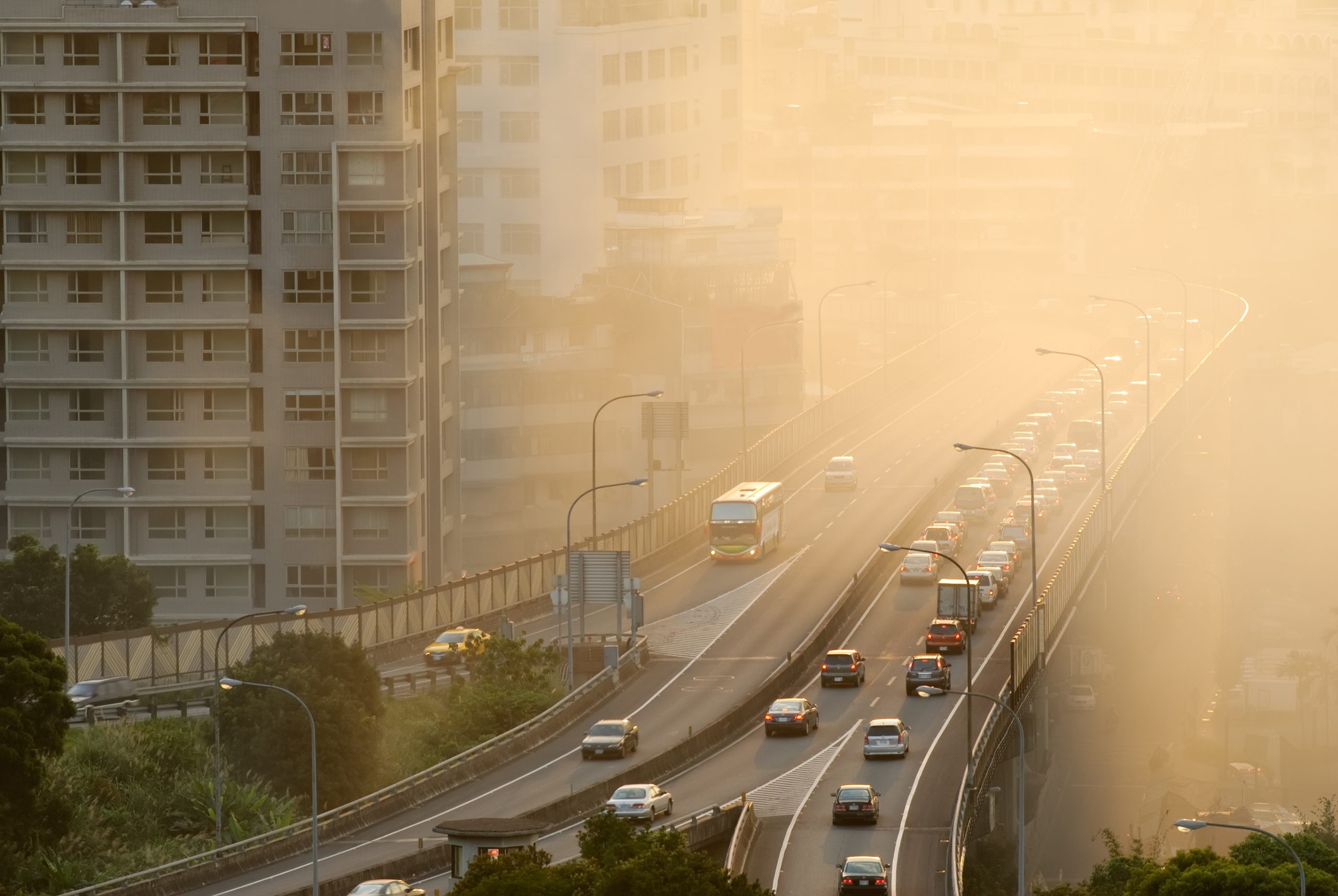
Air pollution is one of the most serious environmental health risks, contributing to an estimated 28,000 to 36,000 deaths each year in the UK, according to a UK government study. It comes mainly from vehicle exhausts, industrial emissions, agriculture, and domestic burning. These pollutants not only damage human health but also harm ecosystems, wildlife, and the climate.
Finding effective solutions to air pollution problems requires collective action from the government, businesses, and individuals.The UK Clean Air Strategy 2019 outlines comprehensive air pollution solutions to cut emissions across all major sectors: transport, industry, farming, and homes.
By enforcing stricter pollution limits, promoting cleaner technologies, and encouraging public awareness, the UK aims to achieve cleaner, healthier air for everyone by 2030.
Solutions For Air Pollution Problems
Air pollution is a serious issue that affects health and the environment. Understanding what are the solution of air pollution and how they work helps governments, businesses, and individuals take effective action.
| Solution | Actions |
| Clean Air Policies and Regulations | Set pollution limits, emission standards, ban polluting fuels, and phase out old diesel cars |
| Electric and Low-Emission Vehicles | Incentives for EVs, Clean Air Zones, and EV charging infrastructure |
| Greener Public Transport | Expand electric buses, electrify rail, and improve public transport |
| Renewable Energy and Electrification | Increase wind/solar power, electrify heating, and decarbonise buildings |
| Energy Efficiency and Low-Emission Homes | Promote efficient appliances, improve insulation, and control indoor pollution |
| Innovation and Research | Develop cleaner vehicles, air purifiers, and green urban design |
| Clean Air Technology | Rensair uses HEPA and UVC technology to remove pollutants, allergens, and viruses, improving indoor air quality in workplaces and public spaces |
Let’s Explore the Solutions of Air Pollution in Detail.
Clean Air Policies and Regulations
The UK’s Clean Air Strategy 2019 aims to halve the impact of air pollution on human health by 2030, tackling emissions from transport, industry, farming, and homes in a fair, balanced way.
Key actions include:
- Restricting the sale of polluting fuels such as wet wood and coal
- Phasing out older diesel vehicles
- Setting tighter emissions standards for tyres, brakes, and machinery
- Supporting local authorities to meet national air quality targets
These solutions of air pollution help reduce nitrogen dioxide (NO₂) and particulate matter (PM), making the air cleaner and safer across the UK.
Promoting Electric and Low-Emission Vehicles
Road transport is the main contributor to NO₂ emissions. The UK aims to end the sale of new petrol and diesel cars and vans in the coming years.
To reduce emissions, cities encourage:
- Incentives and grants for electric vehicles (EVs)
- Clean Air Zones restricting high-polluting vehicles
- Investment in charging infrastructure
These measures are key air pollution solutions that reduce harmful exhaust emissions significantly.
Investing in Greener Public Transport
Governments and councils are expanding sustainable travel systems with:
- Electric and hybrid buses
- Electrified rail networks
- Better integration of public transport
This reduces reliance on private cars and directly improves the air pollution problem and solution balance in urban areas.
Using Renewable Energy and Electrification
Replacing fossil fuels with clean energy is one of the most effective solutions of air pollution.
Cities are focused on:
- Expanding wind and solar energy
- Electrifying heating systems with heat pumps
- Decarbonising public buildings
These actions reduce emissions from homes, industries, and power plants.
Promoting Energy Efficiency and Low-Emission Homes
The government promotes:
- Energy-efficient appliances
- Improved building insulation
- Reduced domestic fuel burning
Better home standards reduce both indoor and outdoor pollution, making this an important part of the solutions of air pollution strategies.
Supporting Innovation and Research
Investment in innovation is helping to develop:
- Cleaner vehicle technologies
- Advanced air purification systems
- Green urban planning solutions
Research continues to improve long-term air pollution solutions for cities and communities.
Where Does Air Pollution Come From?
Air pollution comes from many everyday activities around us. The biggest culprit is transport, with road vehicles responsible for up to 80% of nitrogen dioxide (NO₂) emissions in areas where air quality is poor. Factories and power generation add to the mix, releasing particulate matter (PM) and sulphur dioxide (SO₂) into the atmosphere.
Farming also plays a part, producing about 88% of ammonia emissions, mostly from livestock waste and fertilisers.
At home, burning wood and coal for heating creates around 38% of primary PM2.5 emissions, while natural factors such as wildfires, pollen, and dust can sometimes make things worse.
Once we understand where pollution comes from, it becomes much easier to identify the solutions of air pollution and take targeted action.
Indoor Air Quality and Clean Air Technology
Indoor air pollution can be 5 to 10 times worse than outdoor air pollution, making air quality solutions essential for healthier indoor environments.
Using technologies such as HEPA and UVC air purification, improved ventilation systems, and smoke-free environments helps reduce harmful indoor pollutants.
Rensair’s clean air technology improves air quality in homes, schools, and workplaces, protecting health where people spend most of their time. This is a key part of modern air pollution problem and solution strategies.
For more detailed information, refer to DEFRA’s Clean Air Strategy 2019.
Conclusion
Air pollution continues to be a major public health and environmental challenge. However, with strong air pollution solutions such as clean air legislation, renewable energy, and low-emission transport, the UK is moving toward its 2030 air quality goals.
Everyone can contribute by walking, cycling, using public transport, and reducing fuel burning at home. Small individual actions combined with government policies create a powerful impact.
By understanding what are the solution of air pollution and applying the right solution to air pollution problems collectively, we can build cleaner air, healthier communities, and a safer future.
Frequently Asked Questions
Use clean energy, promote electric vehicles, plant trees, improve public transport, enforce pollution laws, and raise awareness.
Reduce emissions, switch to renewables, use cleaner vehicles, limit waste burning, and support green policies.
Particulate matter, ground-level ozone, nitrogen dioxide, sulfur dioxide, carbon monoxide, and volatile organic compounds.
Walk or cycle more, recycle, use public transport, save energy, and avoid burning trash.
Use electric vehicles, enforce emission laws, plant trees, switch to renewable energy, and improve public transport.