


TVOC Air Quality Levels Explained [2026]
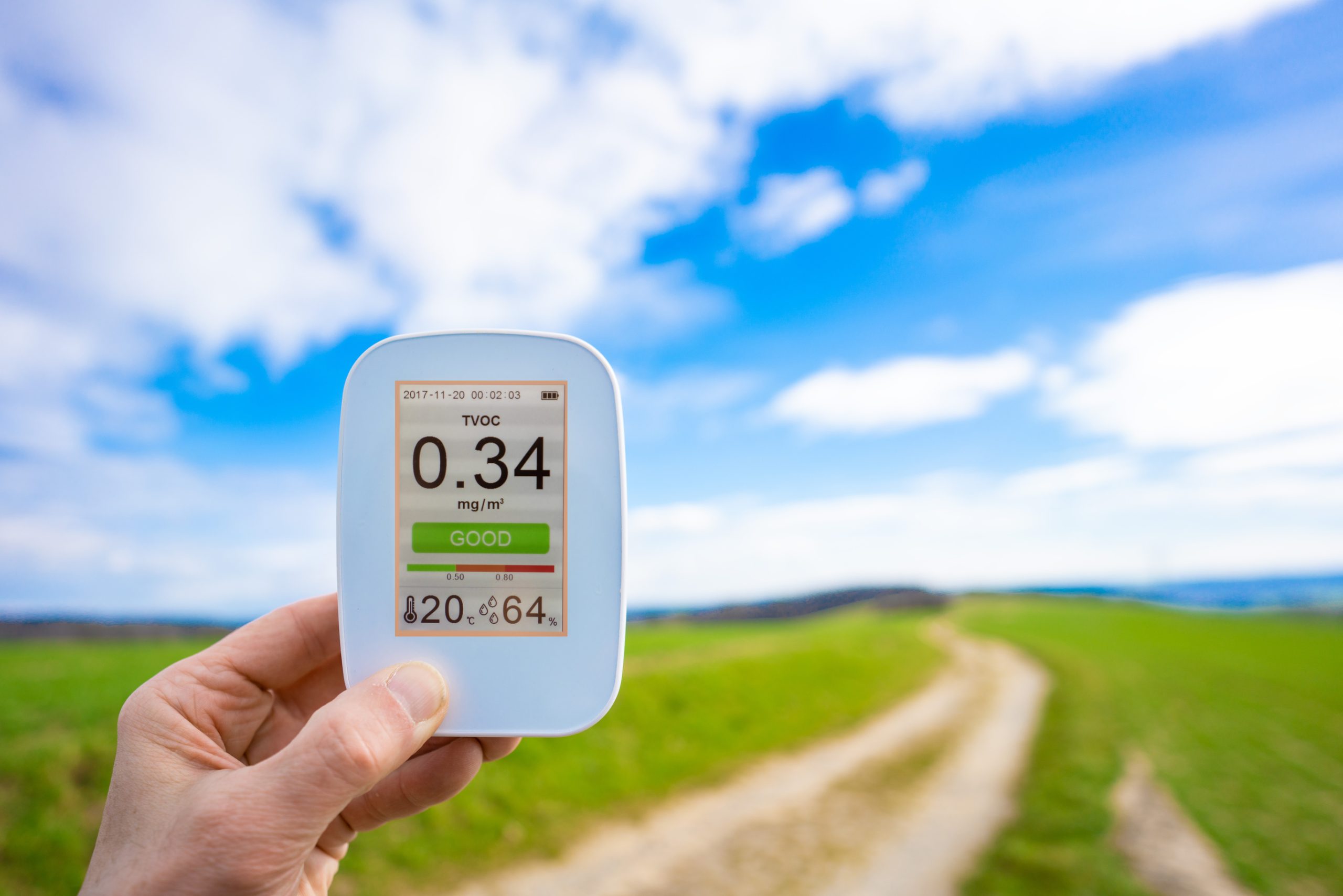
TVOC air quality values show the total amount of VOCs in the air, which can come from things like paint, cleaning sprays, markers, glue, and new furniture. When the TVOC level is high, the air may be unhealthy and can cause symptoms like headache or eye irritation.
TVOC stands for Total Volatile Organic Compounds, and it is used to measure many chemical gases at the same time instead of measuring each one separately. This makes TVOC a useful and simple way to understand indoor air quality in homes, classrooms, and workplaces.
According to the U.S. Environmental Protection Agency (EPA), VOCs are common in many building materials and everyday products found indoors. Indoor air can sometimes contain VOC levels much higher than outdoor air.
What is TVOC?
TVOC is a number (Total VOC, including semi volatile and volatile ones), that shows how many VOCs gases are in the air. Instead of measuring each of these one by one, all the gases are combined into one total reading. Many VOCs come from everyday products, and they evaporate easily at room temperature. According to the EPA, paints, furniture, cleaners, and printers all release VOCs into indoor air.
Key points:
- TVOC = Total Volatile Organic Compounds
- VOCs turn into gas even at normal room temperature
- TVOC readings are usually shown in µg/m³ or ppb
- According to Kaiterra, combining VOCs into one reading makes indoor air tracking easier and faster.
TVOC does not show which VOCs are present or how dangerous each one is, but it gives a good overview of indoor pollution by VOCs.
Why TVOC Matters for Indoor Air
TVOC matters because people spend most of their time indoors, and there are many indoor sources of VOCs such as building materials, furniture, cooking, etc. According to the EPA, indoor VOC levels can be up to 10 times higher indoors than outdoors because chemicals get trapped in closed rooms. High TVOC levels can make indoor spaces uncomfortable and may affect learning, concentration, and general health.
Problems high TVOC can cause:
- Headaches
- Sore throat
- Eye and nose irritation
- Feeling tired
- Trouble focusing
Children, older adults, and people with asthma may feel these effects more quickly. Monitoring TVOC air quality helps people notice problems early and fix them before discomfort or health issues appear.
What Is TVOC in Air Quality?
TVOC in air quality simply means the total amount of many VOCs, including semi volatile and volatile ones in the air, measured as one combined number. Public Health England explains that total VOC measurement helps assess indoor pollution without needing to test each chemical separately.
A low TVOC number usually means the air is healthier. A high TVOC level means something in the room is releasing chemicals and ventilation or product changes may be needed.
TVOC Air Quality Levels
Public Health England recommends keeping indoor levels below 300 µg/m³ over an eight-hour period for good comfort.
| TVOC Level (µg/m³) | Meaning | What To Do |
| 0 – 300 | Good | Air is clean; normal ventilation is fine |
| 300 – 1,000 | Fair | Increase airflow |
| 1,000 – 3,000 | Poor | Remove sources and ventilate strongly |
| 3,000+ | Very Poor | Take immediate action to clean air |
These levels help users quickly understand whether indoor air is safe or needs attention.
Why TVOC Readings Can Be Confusing
TVOC air quality levels are helpful, but they can sometimes be confusing because many things affect them.
Reasons:
- Different sensors detect different VOCs – According to Kaiterra, different devices measure different types of VOCs, so two monitors may show different readings in the same room.
- Temperature and humidity change the readings – When air is warmer, VOCs evaporate faster, which may increase the TVOC number even if nothing new is added.
- Not all VOCs are equally harmful – The EPA explains that some VOCs are mild while others can be dangerous, so a TVOC number alone doesn’t show exactly which chemicals are present.
Because of this, TVOC is best used as an early warning sign rather than a final health judgment.
Where Do VOCs Come From?
VOCs are everywhere indoors. According to the EPA, many everyday items release them into the air.
Common VOC Sources
- Paints and varnishes
- Cleaning sprays and disinfectants
- New carpets, flooring, and furniture
- Glue, markers, and craft supplies
- Aerosol cans
- Printers and copy machines
- Stored chemicals and home improvement products
- Fruits, plants, perfumes (almost anything from organic sources that has a scent or odour)
The American Lung Association states that new building materials can continue releasing VOCs for weeks or months after installation.
Because these sources are so common, TVOC indoor air quality can change quickly during normal activities.
Health Effects of High TVOC Levels
Breathing high levels of VOCs can affect people in both the short and long term.
Short-Term Health Effects
According to the EPA, short-term symptoms may include:
- Dizziness
- Headaches
- Eye, throat, or nose irritation
- Feeling sick or tired
Long-Term Health Effects
Public Health England reports that long and repeated exposure may:
- Affect the liver and kidneys
- Impact the nervous system
- Increase the risk of certain diseases
People with asthma or allergies may also feel symptoms more strongly. If TVOC is high, improving ventilation or reducing chemical products should be the first step.
TVOCs can react with other molecules and generate ultrafine particles. This happens in the presence of an oxidant such as ozone or OH radicals and energy such as sunlight.
How to Improve TVOC Indoor Air Quality
Improving indoor air quality does not have to be difficult or expensive.
Effective Ways To Lower TVOC
- Increase ventilation – Open windows and use fans to move polluted air out and bring fresh air in, if outside air quality is acceptable.
- Choose low-VOC products – Use paints, glues, cleaners, and building supplies labeled “low-VOC” or “zero-VOC.”
- Let new items off-gas – Furniture, flooring, and new materials should air out before use.
- Use air purifiers with activated carbon filters – Activated carbon can trap many VOCs that pass through the filter. (Recommended Air Purifier – Rensair Core i and Rensair Core)
- Keep chemicals sealed and stored properly – Do not leave open cans or bottles of chemicals in closed indoor spaces.
- Use a TVOC monitor – Small monitors help track changes in TVOC air quality and show when action is needed.
These steps help reduce chemical buildup and improve comfort for everyone in the room.
Real-Life Example
Imagine a student painting a science project in a closed bedroom. A TVOC monitor might show the TVOC air quality level rising quickly as paint fumes enter the room. If the windows remain closed, the student may later feel a headache or eye irritation.
But if the student opens the window and turns on a fan, the TVOC level begins to drop as fresh air replaces the chemical buildup. This simple example shows how everyday actions can affect TVOC indoor air quality and how small changes can improve air conditions quickly.
Conclusion – TVOC Air Quality Levels
TVOC levels are important because it tells us if the air inside a room is clean or filled with chemical gases. These gases can come from things like new furniture, paints, markers, cleaning sprays, or flooring, but also from trees near the building. According to the EPA, indoor air can sometimes have higher VOC levels than outdoor air, especially when rooms are closed and chemicals build up.
The good news is that improving air quality is not hard. You can:
- Open windows for fresh air
- Use low-VOC products
- Use an air purifier with activated carbon (Rensair’s Air Purifier is the best for filtering VOCs.)
Public Health England recommends keeping TVOC levels below 300 µg/m³ for healthier indoor air.
By checking TVOC levels and making small changes, homes, classrooms, and offices can have cleaner and fresher air that feels better to breathe every day.
Frequently Asked Questions
What does TVOC mean in air quality?
TVOC means the total amount of many VOC gases in the air measured together to show general indoor air pollution.
Where do VOCs come from?
VOCs come from paints, cleaners, furniture, craft supplies, electronics, building materials and plants.
What TVOC level is considered good?
A TVOC level below 300 µg/m³ is considered good for indoor air quality and comfort.
How can I lower TVOC indoors?
Increase ventilation, use low-VOC products, open windows, store chemicals properly, and use activated-carbon air filters.
Can a TVOC monitor tell which chemicals are present?
No. It only shows the total VOC level. Identifying specific chemicals requires laboratory testing.