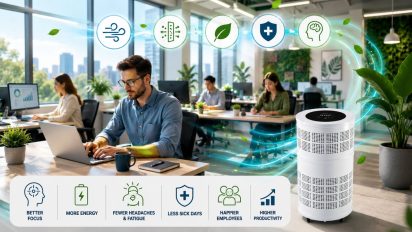
The quality of the air inside your office has a direct impact on how people think, feel, and perform. While businesses invest heavily in technology, workplace design, and employee wellbeing initiatives, one critical factor is often overlooked: indoor air quality. …
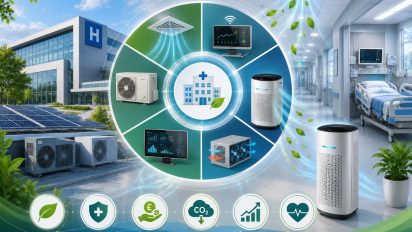
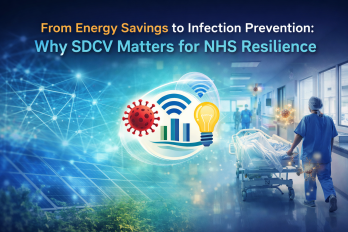
more NHS hospitals use ventilation systems all day to keep indoor air clean and safe for patients and staff. This is especially important in operating theatres, wards, and isolation rooms under HTM 03-01 standards. But running HVAC and ventilation systems 24/7 …
more Rensair Core 600i Becomes the First Air Purifier to Achieve BIS Certification in its category in India …
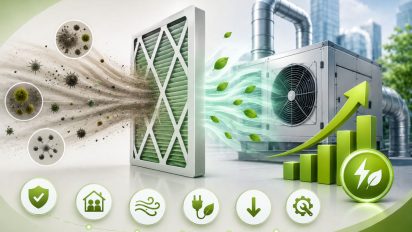
more Clean air is essential for healthy indoor environments, but did you know it also affects your energy bills? HVAC filters remove dust, allergens, and pollutants, keeping air safe to breathe. At the same time, the way filters are chosen, …
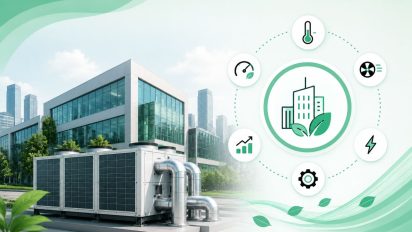
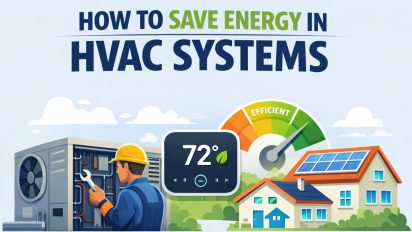
more Did you know HVAC systems can account for nearly half of a commercial building’s energy use? While they keep offices comfortable and air clean, they can also be a major drain on energy bills. With the right strategies, you …
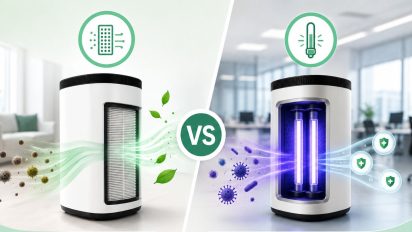
more Indoor air may look clean, but it can still contain dust, allergens, bacteria, and other harmful pollutants. This is why air purifiers are important for healthier indoor spaces. HEPA and UV-C are the two most common air purifier technologies. HEPA …
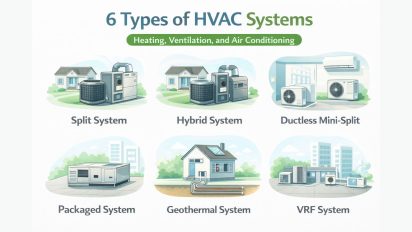
more Have you ever wondered how your home stays warm in winter and cool in summer? It happens because of HVAC systems. HVAC stands for Heating, Ventilation, and Air Conditioning. There are several types of HVAC systems, including Split Systems, Hybrid …
more Microplastics are everywhere, in the air you breathe, the food you eat, and even the water you drink. A study published in the journal PLOS estimates that humans may inhale as many as 68,000 tiny plastic particles each day. Even …
more Have you ever considered the air you’re breathing indoors? Most of us spend up to 90% of our time inside homes, offices, or schools, making indoor air quality more important than ever. Indoor air often contains pollutants like dust, mould, …
more What if the air in your home or office isn’t as clean as it seems? Invisible pollutants like dust, smoke, chemicals, and high CO2 levels could be affecting your health without you even noticing. Indoor air quality sensors are …
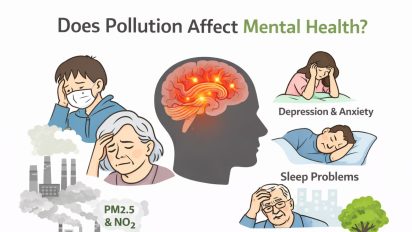
more Air quality is often discussed in terms of physical health, but its impact goes far beyond breathing. So, does Pollution Affect Mental Health? Yes. It can influence mood, stress levels, sleep, and overall mental well-being. People feel more tired, anxious, …
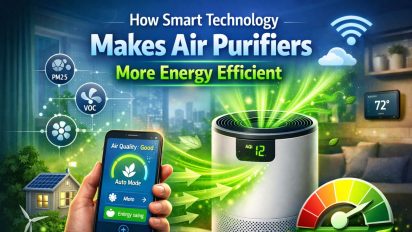
more Clean indoor air is essential for our health, comfort and productivity, especially inside our homes & offices where we spend most of the time. Air purifiers play an important role in removing dust, allergens, smoke, and harmful pollutants, but many …
more Heating, ventilation, and air conditioning (HVAC) systems consume a significant amount of energy in both homes and commercial buildings. According to ScienceDirect, HVAC systems can account for up to 40% of a building’s total energy consumption, which is why they …
more The National Health Service (NHS) supports millions of lives every single day. But today, the system is under unprecedented pressure. With patient numbers soaring, energy prices volatile, and infection control at the top of the post-pandemic agenda, the “old way” …
more Retrofitting existing commercial buildings is no longer optional as the UK strives to achieve ambitious net-zero targets by 2050; it has become a pressing necessity. Older buildings are often characterised by energy inefficiency, with outdated heating systems, poor ventilation, and …
more